creative endeavors.
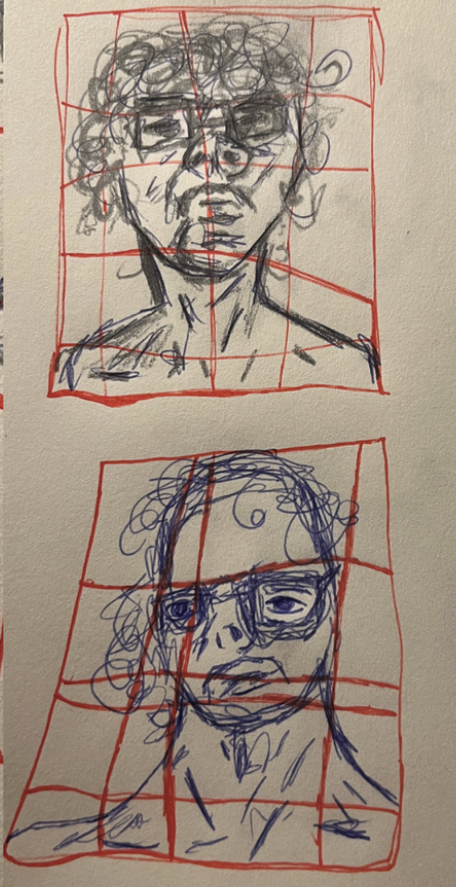
Delving into my creative lens, “creative endeavors” offers a curatorial depiction of my perception of our world through photography, film, and drawing. In a sense, this is a raw curation of my work. I love beauty, so much so I see it everywhere. “Wabi Sabi” is a concept that inspires me, a Japanese aesthetic philosophy that finds beauty in imperfection, impermanence, and simplicity. It values the natural cycle of growth and decay, celebrating flaws and the transient nature of life as sources of authenticity and grace. Without Wabi Sabi you can not have a greater understanding of the beautiful, and finer things in life.
Ruben “Hurricane” Carter, a Black middleweight boxer at the height of his career, was wrongfully convicted of murder in New Jersey in 1966, swept into the system by racial bias, flawed testimony, and a rush to judgment. Stripped of his freedom, he spent nearly twenty years behind bars before finally being exonerated, his life reshaped by a crime he did not commit. Carter’s story has become an enduring symbol of the deep injustices embedded within the U.S. legal system, how easily a life can be taken from someone when prejudice outweighs truth, and how long the fight for justice can take.
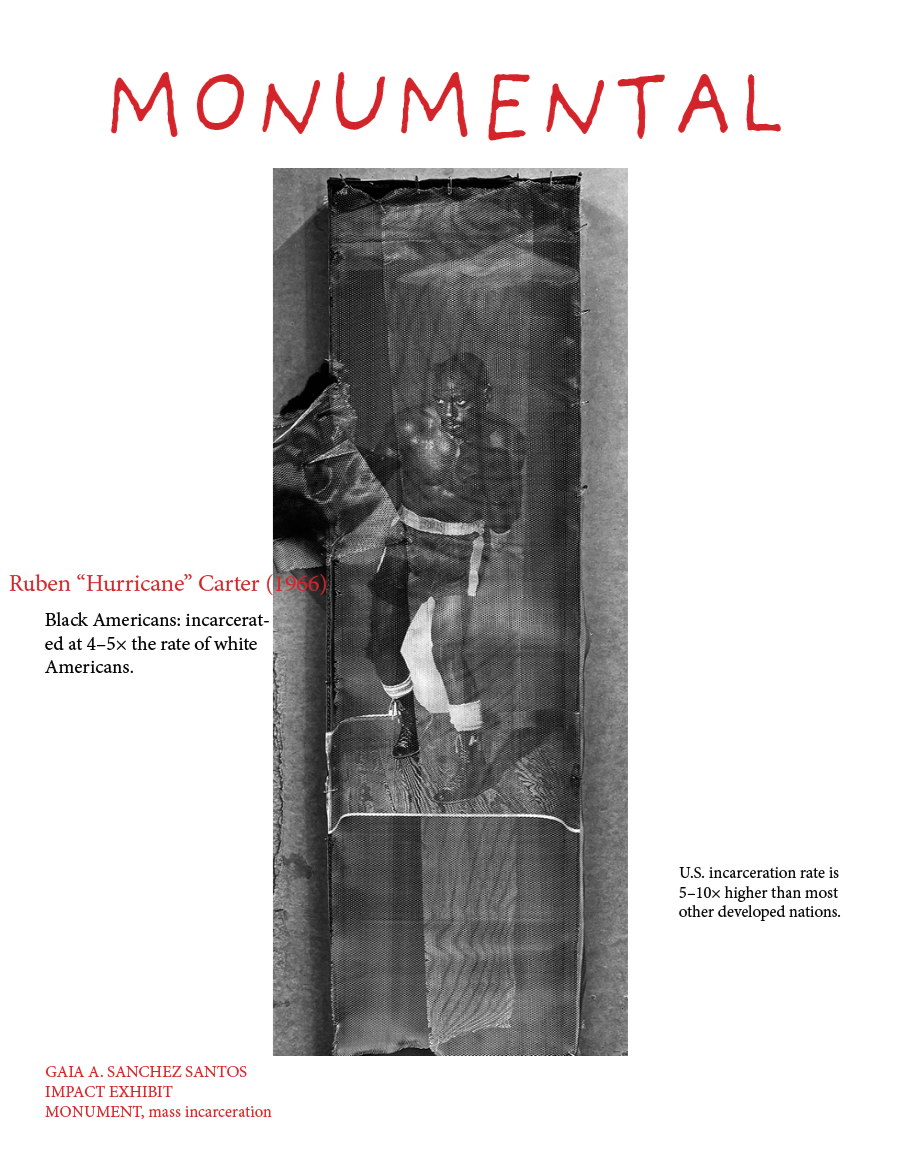
This is a 3 dimensional piece highlighting the hardships of minorities in the face of the judiciary system in the United States.


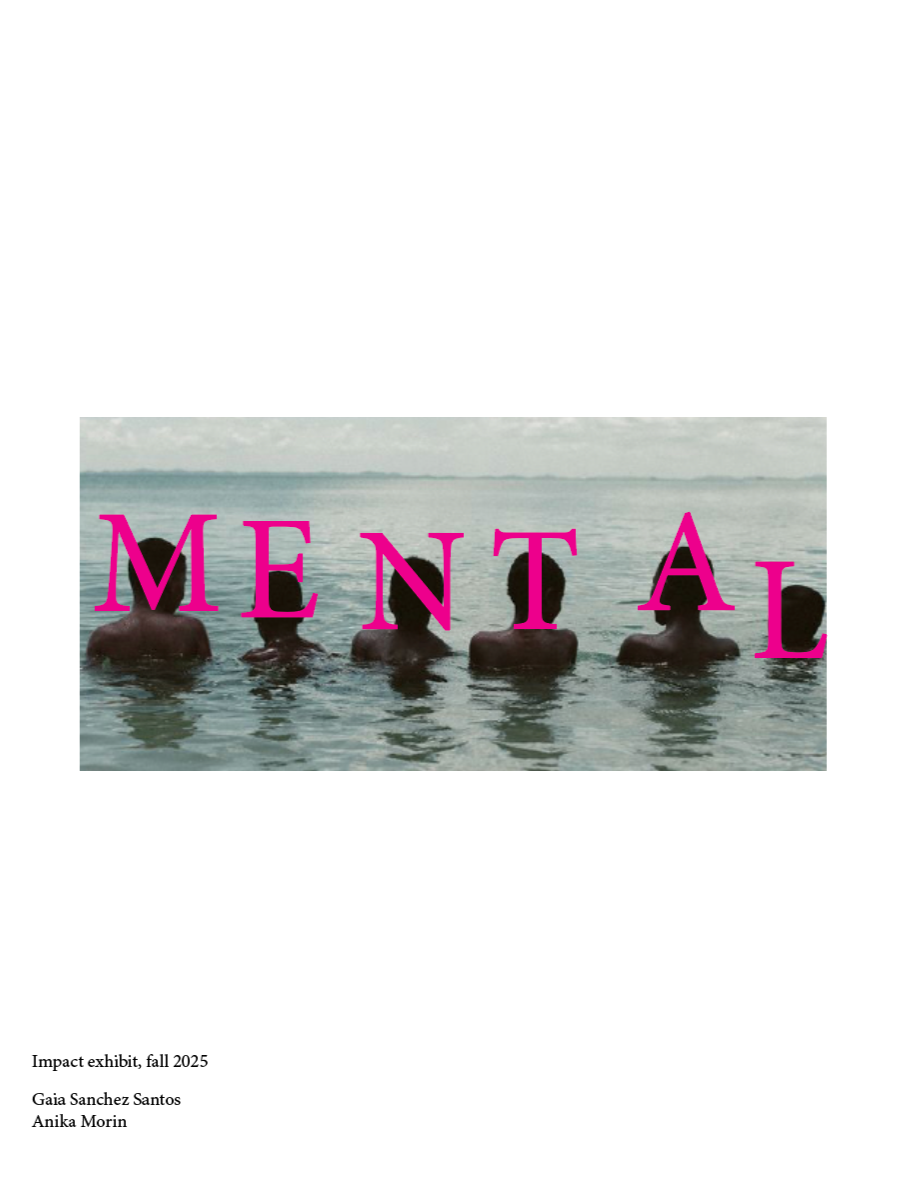
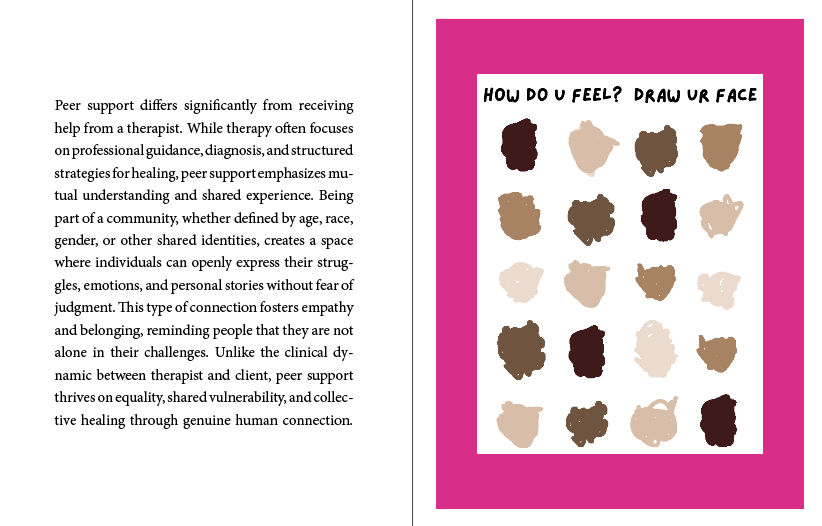
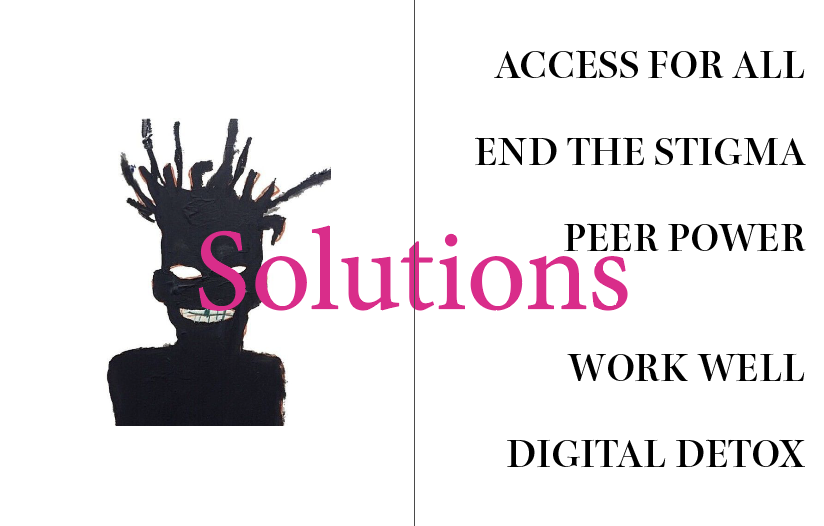
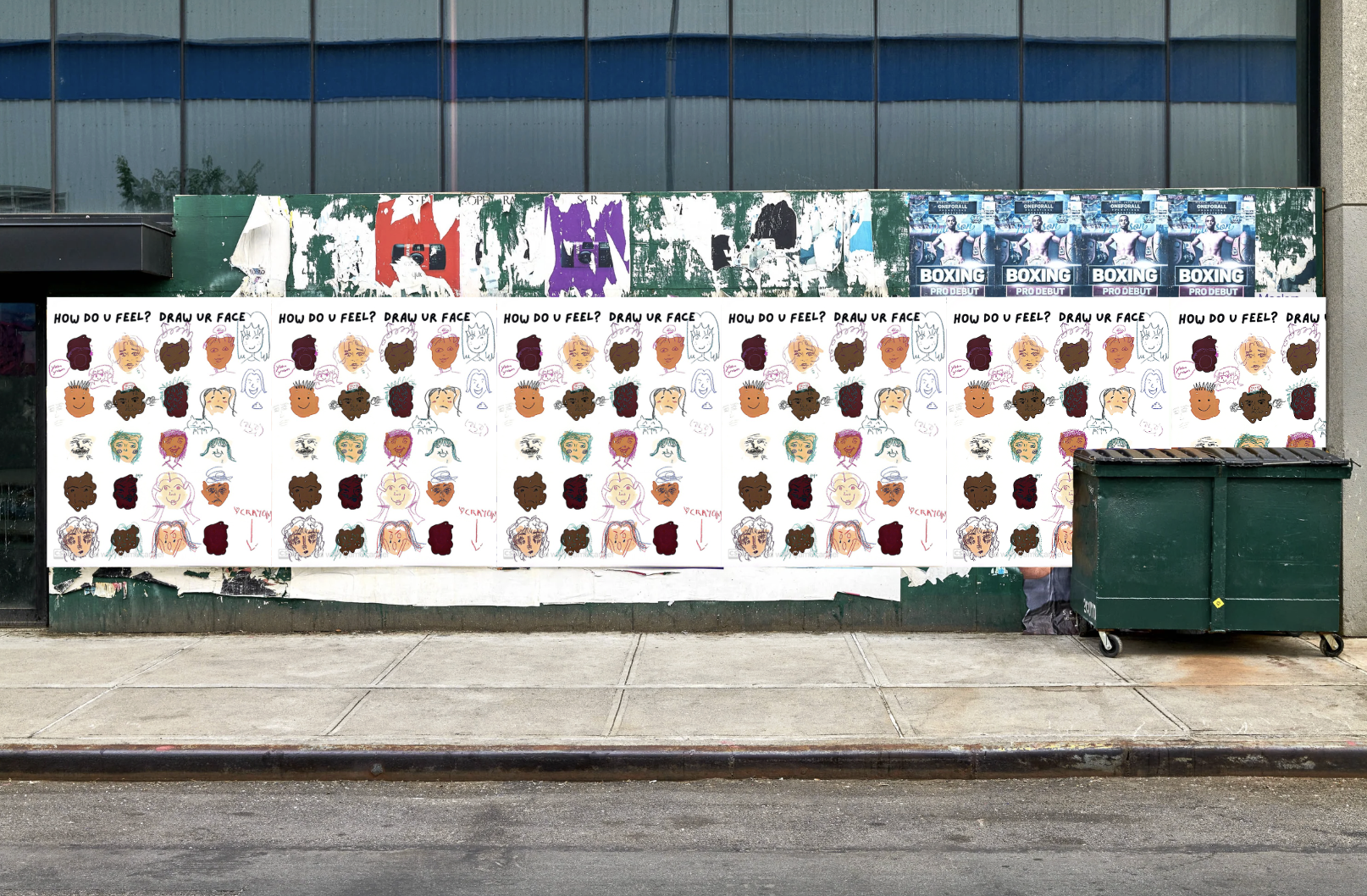
A creative, analytical study of mental health at colleges in the U.S., this project invited participants to visually express their emotions through interactive art. I created a large-format spread of skin-colored squiggles resembling abstract faces and placed colored markers beneath the poster, inviting people to draw how they felt on one of the faces. After the activity, I analyzed the drawings and found that the percentage of “sad” faces closely matched national data on student mental health, recent studies, such as the 2023–2024 Healthy Minds Study, report that about 38% of U.S. college students experience moderate to severe depressive symptoms. This striking parallel suggests that the collective emotional responses captured through the artwork may reflect broader patterns of mental health challenges among college students, turning a simple act of drawing into a visual representation of shared emotional realities across campuses.